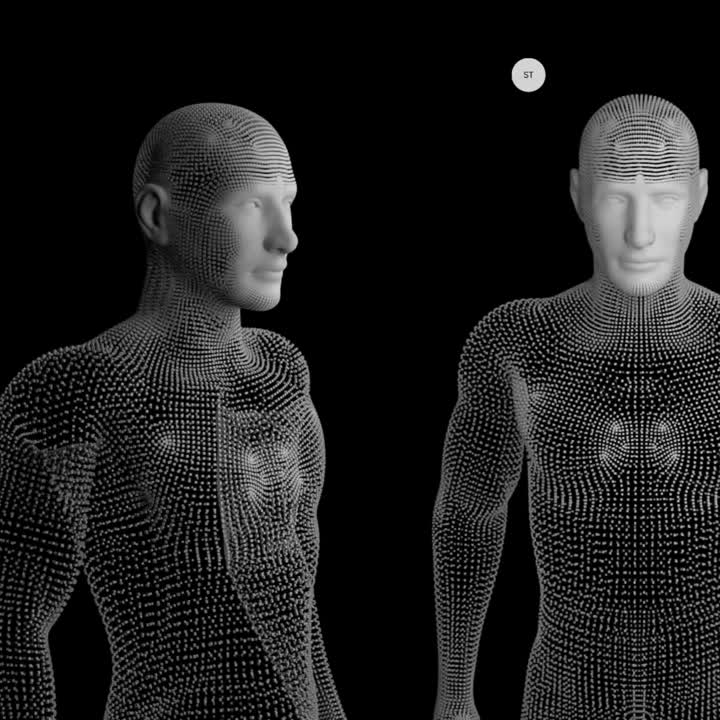
I’m not a data expert, but I keep returning to a question about what our data leaves unseen. Imagine mapping a complex forest. Every trail tells a different story. Some are steep, some are winding, and others are smooth. If we combine them into one broad path, many of those trails disappear. The map becomes simpler, but it no longer reflects the reality on the ground.
Something similar happens when caste and religion are combined within India’s demographic frameworks. A broad category may be easier to measure, yet it can hide the experiences of the people inside it.
Consider Pasmanda Muslims, Dalit Christians and SC Buddhists. Each community faces distinct challenges shaped by the interaction of caste and religion. When these identities are grouped together, important differences are lost, and policies intended to support them can miss the people they are meant to reach.
A friend from a Dalit Christian background once told me, “Our caste realities don’t disappear just because we’ve embraced a different faith.” That sentence stayed with me because it captures what a broad demographic label can overlook.
This is not only a question of collecting better data. It is a question of fairness. How can we build systems that recognise the full diversity of people’s lived experiences?
Three questions worth asking
- Separate axes: Can caste and religion be measured as distinct but interconnected parts of identity?
- Greater detail: Can data represent communities such as OBC Muslims and Dalit Christians without flattening their different realities?
- More precise policy: How can this complexity help us design interventions that respond to people’s actual needs?
Social justice does not require us to flatten identities. It asks us to see them more clearly. Better categories will not solve inequality by themselves, but they can reveal where support is missing and help make public systems more accountable.
If we represent people more accurately in our data, we have a better chance of designing systems that include them.
What do you think? Can data lead us to a fairer world?
Originally published on LinkedIn.