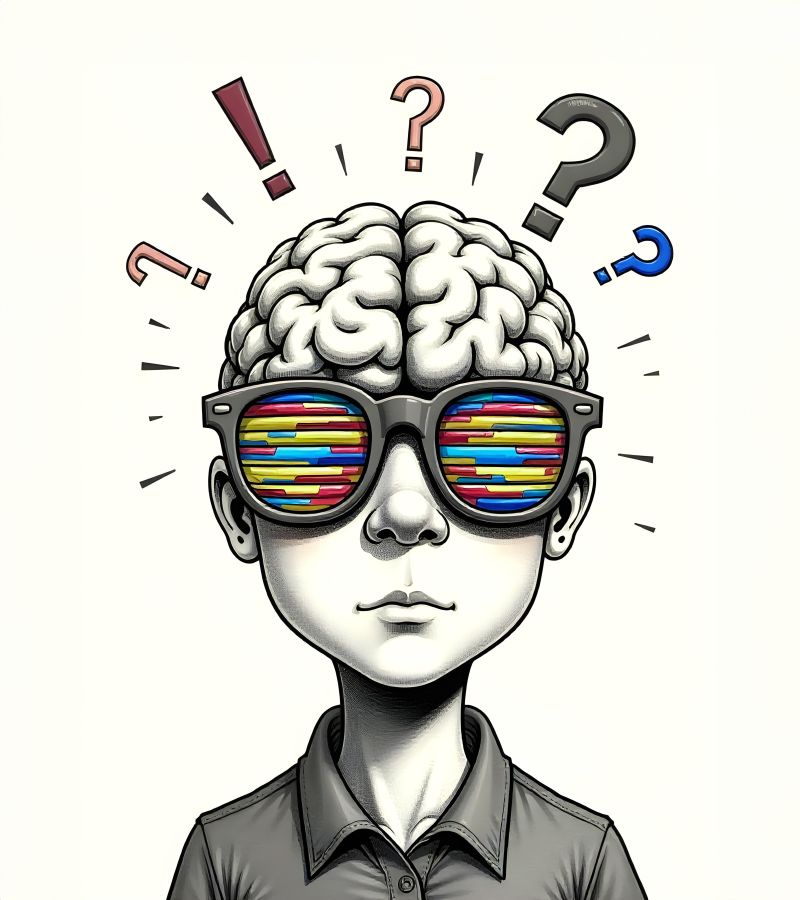
Creativity is often described as boundless, but is it ever completely free from the structures that shape our identities? Religion, caste and gender are deeply woven into our social lives. They influence not only who we are, but also what we notice, what we imagine and which ideas we feel able to express.
Religion
Beliefs shape how we understand the world. Symbols, rituals and cultural narratives give us a creative vocabulary and offer valuable perspectives. They can also create blind spots. When creativity is confined to a single worldview, it can exclude other ways of imagining, questioning and solving problems.
Caste
Caste creates inherited privileges and barriers that shape access to education, resources, networks and even the confidence to be heard. A potter from a marginalised caste may work with extraordinary ingenuity, yet their creativity can be undervalued beside the work of someone with access to prestigious institutions and visible platforms. Talent is not distributed by caste, but recognition and opportunity often are.
Gender
Gender stereotypes limit both expression and opportunity. Women often navigate biases that diminish their ideas, while men can face pressure to conform to narrow social roles. People outside the gender binary encounter additional barriers to being represented and taken seriously. These forces shape what people create, what they withhold and how their work is received.
Together, religion, caste and gender can produce a hierarchy of creativity in which some voices are amplified while others struggle to enter the room.
How can creative thinking become more democratic?
- Acknowledge bias: Recognise how religion, caste and gender shape our thinking. Awareness is the first step towards changing the conditions around us.
- Embrace intersectionality: Bring different lived experiences into the same creative process and give underrepresented voices the space to influence the outcome.
- Build inclusive spaces: Create environments where people can share, experiment and innovate without having to hide parts of who they are.
- Redefine value: Stop measuring creativity only by its alignment with dominant narratives. Celebrate ideas rooted in hyperlocal, vernacular and non-mainstream experiences.
Creative thinking belongs to everyone. Unlocking its full potential requires us to challenge the structures that decide whose ideas are credible, visible or valuable. Strong ideas emerge when people can create in a shared space of empathy, respect and openness.
How do you think we can design spaces that encourage creativity beyond these binaries?
Originally published on LinkedIn.